
Bacteria are EVERYWHERE
Disclaimer: This is the obligatory statement where we state this is not medical advice and shouldn’t be taken that way. We cannot claim all of this information as factual. Talk to a licensed physician if you have health concerns. With that out of the way, let’s begin.
Bacteria are a peculiar thing. Have you ever gone outside and observed the little squirmy, frilly, blobby, tentacle-like, translucent creatures all around you that we call bacteria?
No?
Neither can we, and I’d say you have super-vision if you could. Bacteria are microscopic and literally everywhere, even inside us! Getting into anatomy for a second, bacteria are single-celled and lack a nucleus or membrane-bound organelles, setting it apart from yeast. They serve all kinds of important functions (more on this in a bit). In fact, all the bacteria in our body weighs about 4 pounds, don’t ask me how I found that out!
Bacteria have a bad reputation, because we only think of the bad ones that do us harm; think diseases and bacterial infections. In response, we take antibiotics to remove them from our bodies. We also clean, bleach, and sanitize surfaces to remove them from our households. There are many, and I mean many kinds of bacteria both good and bad. Let’s take a look at the benefits of bacteria in kombucha and specifically the good bacteria in our bodies.
We are a System of Bacteria
Our bodies are a complex system. You could think of us as the driver of a bus and bacteria are the passengers. They whisper amongst themselves so quietly that us drivers can’t hear them. Most of them discuss how to maintain and care for the bus properly, going so far as to clean up and manage it without us drivers even knowing. But on the rare occasion some unpleasant passengers may slip onto the bus who would rather cause damage and disrepair to it. It’s the driver’s duty to make sure they allow the appropriate passengers (probiotics) on board and remove the ones who cause harm (illness-causing bacteria). Metaphorically speaking of course!
Bacterial cells outweigh human cells 9 trillion to 1 trillion in the body, who knew? We coexist with these little guys in our bodies and we need to nurture this relationship to see the amazing benefits they offer us. Good bacteria can also be referred to as ‘probiotics’. Here’s a number of benefits the ‘good’ bacteria offer us:
Bacteria help with digestion and metabolism. Our gut and the human gut-microbiome are critical components to making our body function at its best. For example, bacteria breaks down carbohydrates (sugars) and toxins as well as absorbs fatty acids needed for cell growth.
Bacteria assist with vitamin synthesis, literally manufacturing vitamins like K and B that are essential for the body to function properly.
Bacteria help keep the immune system functioning properly and protect against pathogens, interacting with white blood cells to ensure it doesn’t overact or underact. The good bacteria battle and overcome bad bacteria much like a shounen anime or superhero movie.
One of the more recent discoveries is that bacteria from the gut influence brain and mood support, producing chemical messengers like serotonin. If you haven’t noticed, the gut has much to do with bacteria and plays an essential role in the body. Let’s take a closer look at the other benefits of bacteria in kombucha as it connects between our brain and the gut.
The Brain x Gut Connection
You could almost think of the gut as another brain, which actually has its own name – called the ‘enteric nervous system’, which contains neurons lining the digestive tract from the esophagitis all the way to our colon. It’s capable of learning and remembering bodily processes much like the brain, bringing a whole new meaning to “trust in your gut” or our company motto “In Gut We Trust”.
Did you know our brain and our gut are made from the same bodily tissue? The two link by what’s called a ‘gut-brain axis’, and the pair unite to control a number of bodily functions such as heart rate, speech, perspiration, mood, et cetera. This perfectly explains why our heart rate increases, get sudden tightness in the stomach, and we begin sweating whenever we’re nervous.
I personally get nervous often when I meet new people or arrive at a new location. After researching and learning the information above, I feel I have a newfound excuse to tell my gut to calm down!
The gut influences so many functions, not just the breaking down of food and metabolic function we once previously thought. The foods and drinks we consume are crucial for not only our physical but our mental & emotional well-being as well. There’s no wonder we should take care of our gut.
Balance of Bacteria is Key
We all need to find balance in our lives. The same could be said about bacteria in our bodies. Consuming probiotic rich foods or beverages like kombucha provides this homeostasis, or balance. If there is no good bacteria… our system falls apart. Our immune system falls in shambles, resulting in something as minor as allergies or as major has an autoimmune disease. But the real kicker is chronic inflammation, which acts as an alarm system for white blood cells to heal parts of the body of wounds or infections; chronic inflammation makes us susceptible to cancer, yikes!
Only take an antibiotic when prescribed by a doctor who has deemed them necessary for your condition. Because not only will antibiotics rid the body of bad bacteria, but good ones as well. If that happens, it’s crucial to slowly introduce good bacteria back into the system. Let’s take a look at some food and drinks rich in probiotics.
Food and Beverages Rich in Probiotic Bacteria
So how do we get more good bacteria in our system? One simple answer is the consumption of fermented foods and beverages. This is the obligatory part where we plug-in our product, kombucha! But probiotics aren’t limited to just fermented tea. Most yogurt & kefir, kimchi & sauerkraut, miso & tempeh, pickles & buttermilk typically all contain different strains of good bacteria as well. Even some cheeses like cheddar and brie or cured meats like prosciutto or salami contain probiotics.
Just how many probiotics should we be consuming each day? It’s hard to say for every individual, but a good rule of thumb is consuming one to two servings each day, or 1 to 10 billion CFU (colony-forming units) which can be reached from one to two servings. CFU sounds like jargon, but it’s the way probiotics are measured, so there’s another fun fact for you.
Bacteria found in Kombucha
There’s seemingly an infinite number of bacteria strains in kombucha. Bacteria and yeast fight for balance during fermentation, hence we get the symbiotic culture of bactrian and yeast, ‘scoby’. This fermented tea has been examined and studied again and again across the globe. Gluconic and acetic acids (gluconacetabacter) are the most well known strains of bacteria.
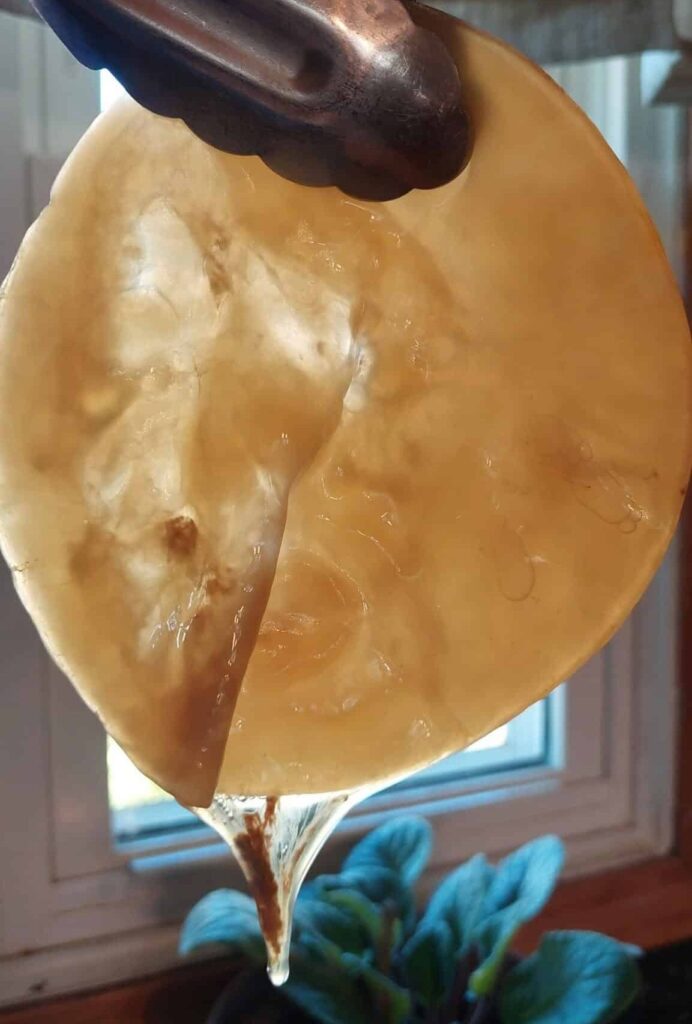
Strains can vary in their functionality during fermentation such as gluconacetabacter having the ability to produce the jelly-like film of the scoby, acetibacter converting ethanol into acidic acids, gluconobacter oxidizing glucose into gluconic acids, or the strain found in yogurt – lactobacillus which convert sugars into lactic acid during second fermentation and is a major support for digestion and nutrition absorption. For the rest of the strains, the benefits are much alike; the synthesization or b-vitamins, antimicrobial properties that fight bad bacteria, digestive support, along with all the other benefits listed above.
A good chunk of bacteria were renamed ‘Komagataeibacter’, which, renaming bacteria is a common occurrence when researchers make discoveries. Xylinus is the most prolific in kombucha, and the bacteria from the scoby help convert ethanol produced by the yeast into those good healthy bacterial acids.
Here’s some fun jargon you’re never going to remember for the life of you. Gluconabacter – saccharivorans, xylinus sucrofermentans, intermedius, and oxydans. Acetobacter – ketogenum, pasteurianus, xylinum, tropicalis, nitrogenifigens, and pseudomonas putida. Try saying those five times fast!
I hope you’ve taken notes so far. There will be a test.
Just kidding.
Final Thoughts
We hope you’ve learned a thing or two about the benefits of bacteria in kombucha. If there’s anything we want you to take away from this, probiotics contribute to helping us stay healthy. Combine this with prebiotics like dietary fiber to nurture those probiotics, and add postbiotics found in fermented drinks like kombucha, and you’re sure to feel long term health benefits.
It’s funny and a bit ironic, I originally never knew or thought about the health benefits before drinking or brewing kombucha, I just thought it tasted amazing. Now I realize just how beneficial to health this beverage truly is, and this encourages me to keep making the best kombucha for our fans and community.
Because for us, it feels good to do good. Thanks again for reading, cheers!
Sources:
Crum, H., & LaGory, A. (2016). The big book of kombucha: Brewing, flavoring, and enjoying the health benefits of fermented tea. Storey Publishing
National Institute of Health https://pmc.ncbi.nlm.nih.gov/articles/PMC4425030/
National Center for Health Research